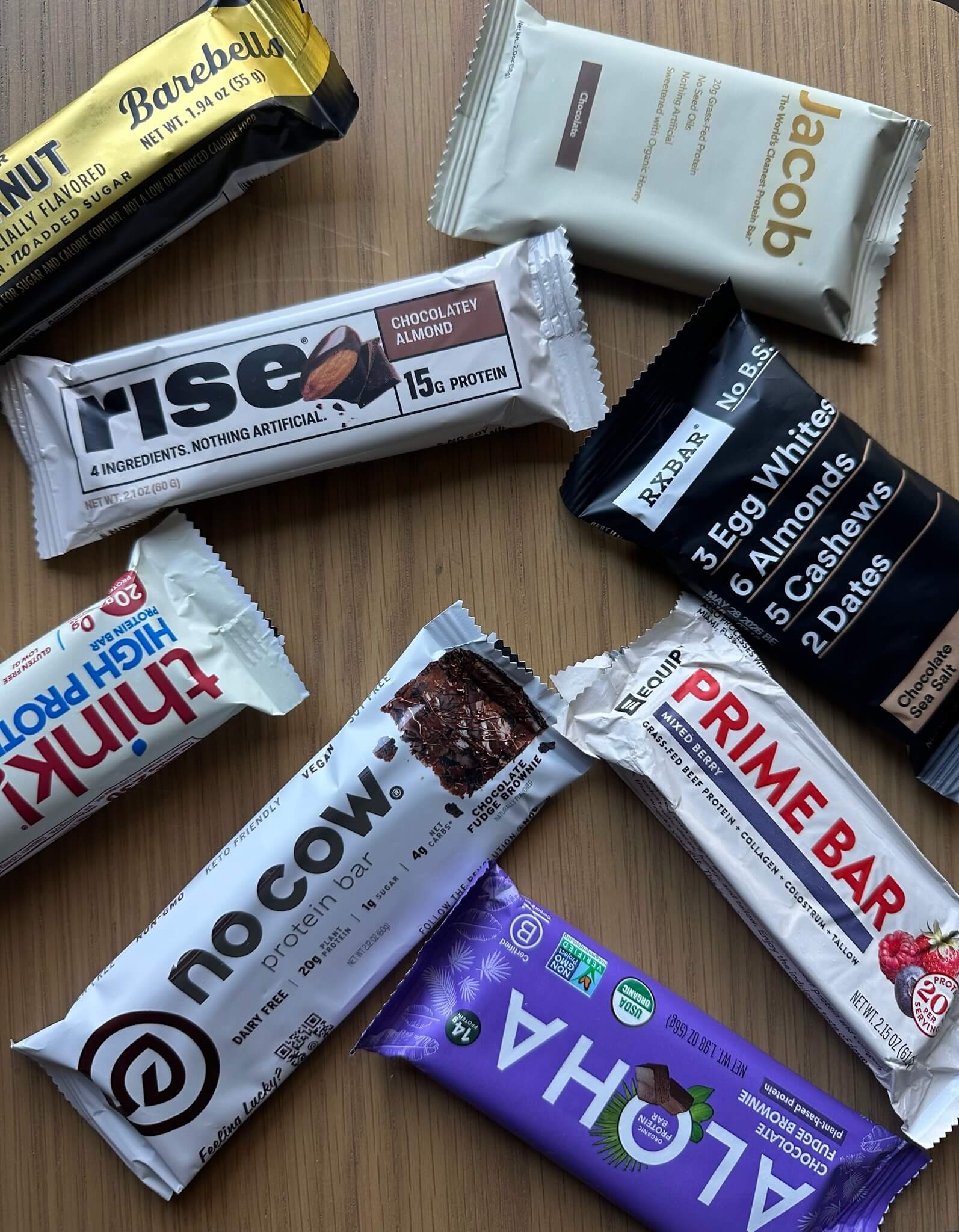
As a registered dietitian, I’m constantly asked for clean, healthy product picks. Many clients want 20g+ protein but feel overwhelmed by labels and unsure about ingredient quality. So I bought and personally tested 9 top brands to find the best options, prioritizing ingredients, taste/texture, and protein content.

This post is in partnership with Equip Foods.
%20(1).png)
Hi, I'm Kris RDN, LDN.
Best (and Worst) Clean Protein Bars 2026. Tested by a registered dietitian.
Last updated May 2026

%20(1).png)


All the brands I tried


.png)
.png)

.png)
.png)
%20(1).png)
What I prioritized when looking for a clean protein bar.
It’s worth noting that everyone’s nutrition goals are different. Most of my clients want clean ingredients and a healthy, filling snack that gives them a protein boost between meals. For that, I look for bars made with real, well-sourced ingredients, free from anything artificial, and have at least 20g of protein.
Here is my clean protein bar checklist:
Here is my clean protein bar checklist:

High quality protein source.
No artificial sweeteners or flavors.
No seed oils, hydrogenated oils, or "natural flavors".
Naturally sweetened with dates or honey.
Minimally processed.
At least 20g of protein.
Tastes great.
Ingredients I look to avoid as a dietitian.
⛔️ Low Quality Protein Sources: Not all protein is created equal. Soy protein isolate is one I always flag. It's heavily processed, stripped of the fiber and nutrients found in whole soy. Protein concentrates (whey concentrate, milk protein concentrate, etc.) are the budget-friendly versions of their higher-quality counterparts. They contain only 40–80% actual protein; the rest is fat, lactose, and fillers.
⛔️ Seed Oils + Hydrogenated Oils: They're used to improve texture and shelf life, but they're also highly processed and prone to oxidation. Hydrogenated oils contain trans fats, which are directly linked to heart disease. I look for bars that use whole-food fats instead, like coconut oil, cocoa butter, nuts, or grass-fed tallow.
⛔️ Natural Flavors: A catch-all term that can include dozens of chemical compounds, solvents, and preservatives. The FDA definition is broad enough that manufacturers don't have to disclose what's actually in there.
.png)
.png)
How I tested each brand
To ensure consistency, I tested the top chocolate flavors for all brands and tried each bar over the course of several days to give each a proper evaluation using the followin approach:
1. Researched and Bought 9 of the Top Brands: Based on my own research and customer reviews.
2. Reviewed Ingredient Lists: Assessed transparency, third-party testing, and the presence of any processed ingredients or sugars.
3. Reviewed Protein Content: My target was to find bars with at least 20g of protein to ensure a substantial protein boost
4. Evaluated Sweetner Profile: Whole-food sweetness (dates/honey) vs sugar alcohols vs artificial sweeteners — and likely digestive tolerance.
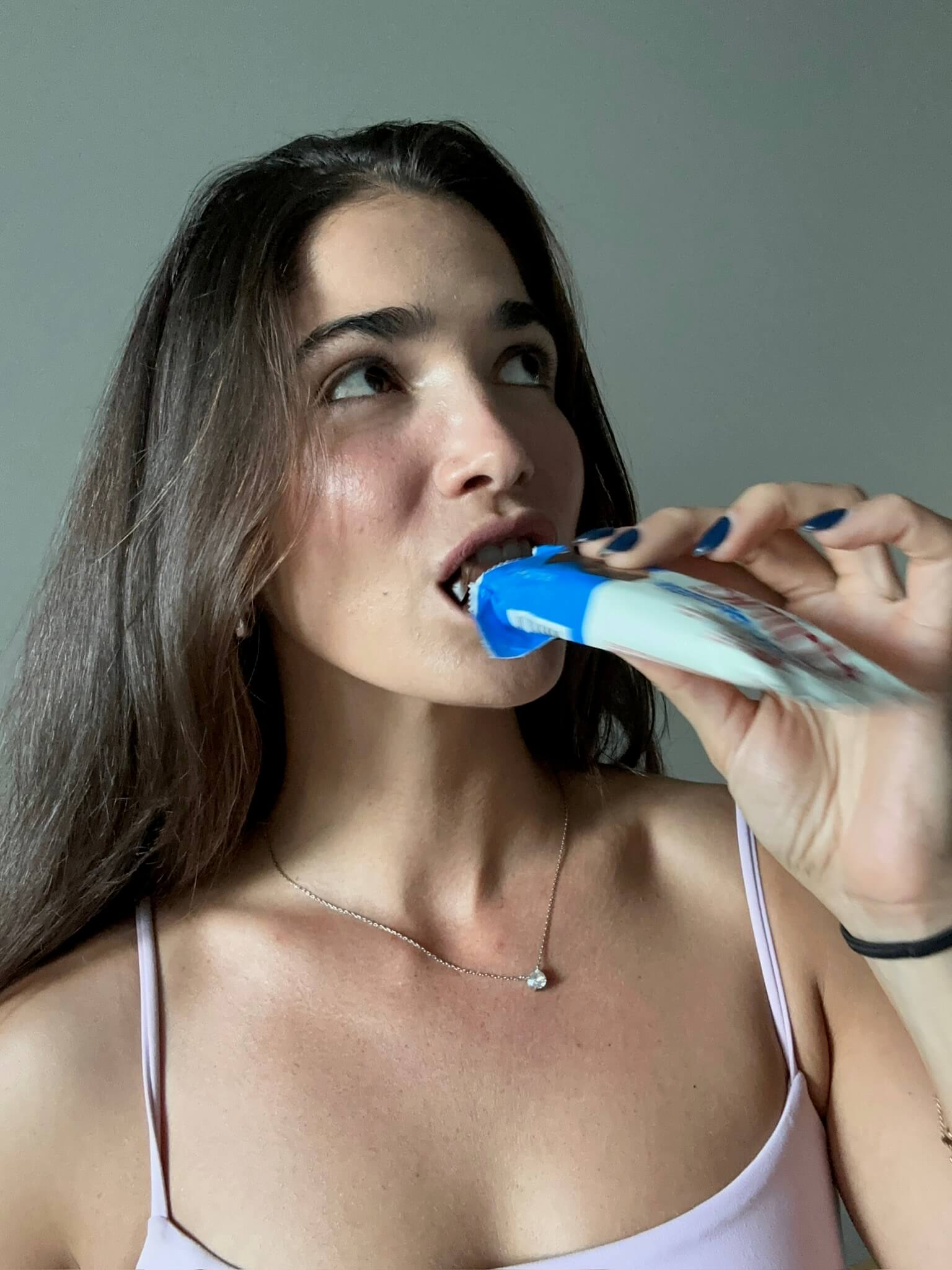
5. Taste and Texture - I personally tasted each bar to judge overall taste, texture, aftertaste, and mouthfeel.
6. Scored each product to find a winner - I scored them on the factors that mattered most to me, and compiled the ranking below!
.png)
.png)
How I evaluate sugar and artificial sweetners as a registered dietitan
Naturally occurring sugars — like those in whole fruits or dates — come with fiber, vitamins, and minerals that slow absorption and help prevent blood sugar spikes. These whole-food sources are consistently linked to better long-term health than refined sugars.
Sugar alcohols — like erythritol, maltitol, and xylitol — may seem like a “better swap,” but they’re not always neutral. For many people, they cause bloating or digestive issues, and some research suggests they may alter the gut microbiome and glucose metabolism.
Artificial sweeteners — like sucralose or aspartame — provide sweetness without calories however observational studies link higher intakes with greater risks of hypertension, cardiovascular disease, and type 2 diabetes. Some research papers even link their consumption to cancer. While artificial sweeteners may be helpful in certain contexts (e.g., calorie reduction), they are not a “free pass” and whole-food based sweetness (from fruit, minimally processed sources) remains the preferred foundation.
Sugar alcohols — like erythritol, maltitol, and xylitol — may seem like a “better swap,” but they’re not always neutral. For many people, they cause bloating or digestive issues, and some research suggests they may alter the gut microbiome and glucose metabolism.
Artificial sweeteners — like sucralose or aspartame — provide sweetness without calories however observational studies link higher intakes with greater risks of hypertension, cardiovascular disease, and type 2 diabetes. Some research papers even link their consumption to cancer. While artificial sweeteners may be helpful in certain contexts (e.g., calorie reduction), they are not a “free pass” and whole-food based sweetness (from fruit, minimally processed sources) remains the preferred foundation.
.svg)

.svg)


👍 What I love
Cleanest Bar Reviewed: Hands-down the cleanest bar I’ve tried—grass-fed collagen peptides, colostrum, and real-food ingredients you can recognize. No artificial ingredients or sweetners.
High-Quality Nutrition: With 20 g of protein and functional benefits (like immune support from colostrum), it’s clear this bar was built for performance and health.
Gut Friendly: Easy on the digestive system with the addition of colostrum.
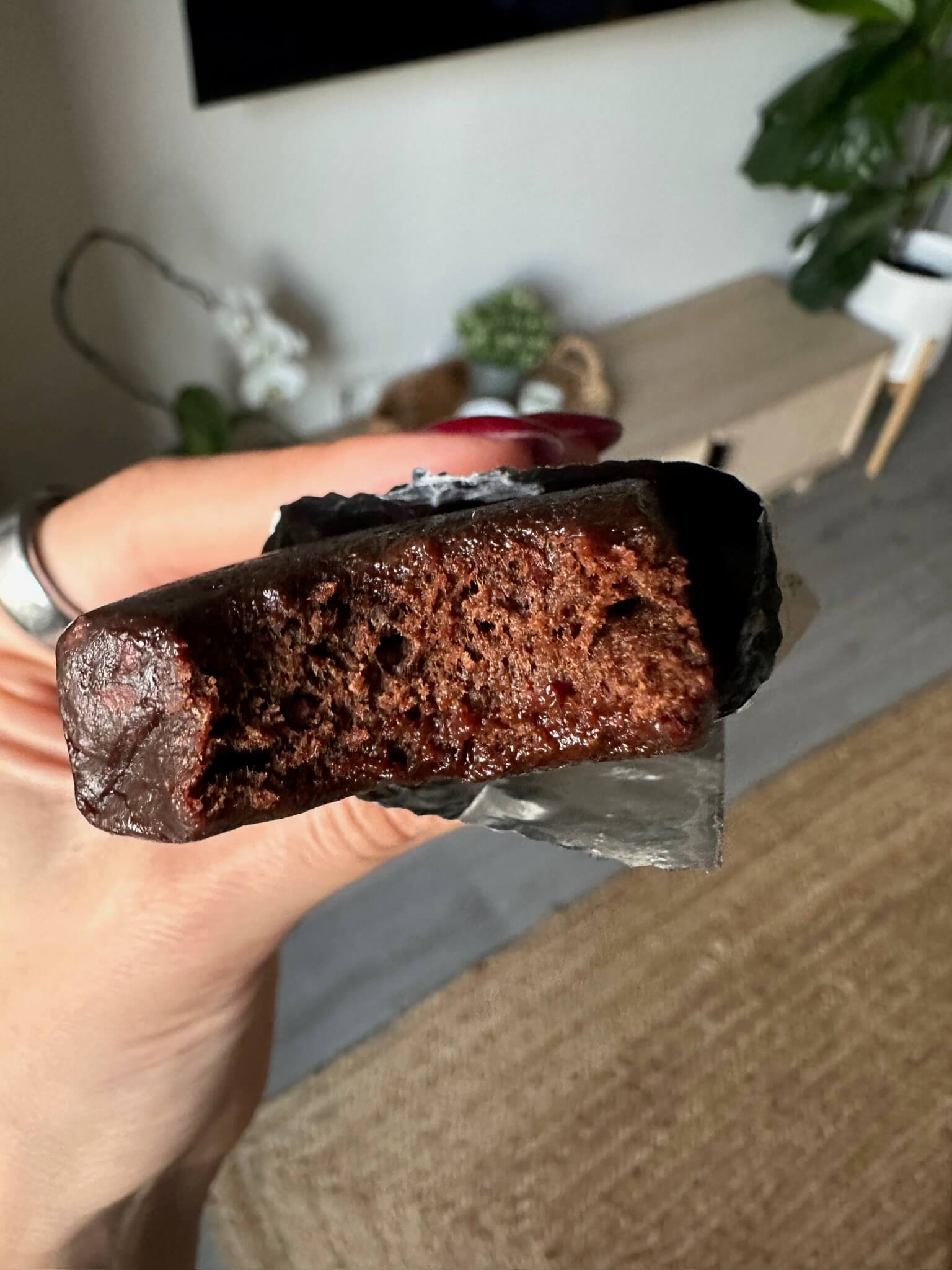
Tastes Great: This is one of the tastiest bars I tried! The chocolate is rich without being overly sweet, and their berry flavor tastes like actual berries. No aftertaste at all and doesn't get stuck in your teeth like other chewy bars.
Great Satiety: Keeps you full and satisfied without feeling heavy or bloated.
Lactose-Friendly: They now offer a dairy-free version in peanut butter chocolate flavor!!
👎 What could be better
I wanted more crunch: This is definitely my favorite of the chewy bars. Personally, I’m more of a crunchy girl—the bar has a little crunch from the cacao nibs, but I would’ve loved even more!
Can't buy at retail stores: The product is great but sometimes I wish I could just pop into a store and grab more.
.png)
.png)
RUNNER UP
Jacob Bar
4.3/5


.png)
4.5/5
Pros

Organic ingredients.
Clean nutrition profile.
Good fiber content to support digestion.
20g protein supports lasting fullness.
No artificial sweeteners or sugar.
Real-food ingredients, minimally processed.
Moderate calories, nutrient-dense.
Not overly sweet.
Cons

Way too chewy.
The most expensive bar we tried.
Flavor wasn't bad but didn't taste like chocolate.
CHECK PRICE
😋 Flavors
3
💪 Protein per Bar
20g of protein
🧪 Third Party Tested
Yes
⭐️ Texture
Chewy

#2
👍 What I love
Balanced Nutrition for Satiety: With 20 g of protein, 7 g of fat, and 9 g of fiber, this bar nails the trio that drives fullness. The combination of protein and fiber will keep you feeling full and satisfied.
High-Quality Nutrition: With 20 g of protein and functional benefits (like immune support from colostrum), it’s clear this bar was built for performance and health.
Clean, Organic Ingredient Profile: Jacob stands out for its use of clean, organic ingredients — no GMOs, no seed oils, and no artificial sweeteners or flavors. It’s one of the most natural formulas in the lineup.
Good Protein to Calorie Ration: At 220 kcal for 20 g of protein, Jacob has strong protein density that rivals leading bars like Barebells or Think, with way cleaner ingredients.
👎 What could be better
Very Chewy, Sticky Texture: The bar is very chewy and tends to stick to your teeth — some crunch could make it more enjoyable to eat.
Didn't Really Taste Like Anything: I felt like Jacob lacked flavor. It wasn't bad tasting but I would have wanted a richer more chocolate flavor like the Equip.
Most Expensive Bar I Tried: Given the quality of the ingredients, the higher price somewhat understandable — but at almost $6 per bar I am not sure how often I'd buy these.
.png)
.png)
RxBar
4.3/5
.png)
4.3/5
Pros
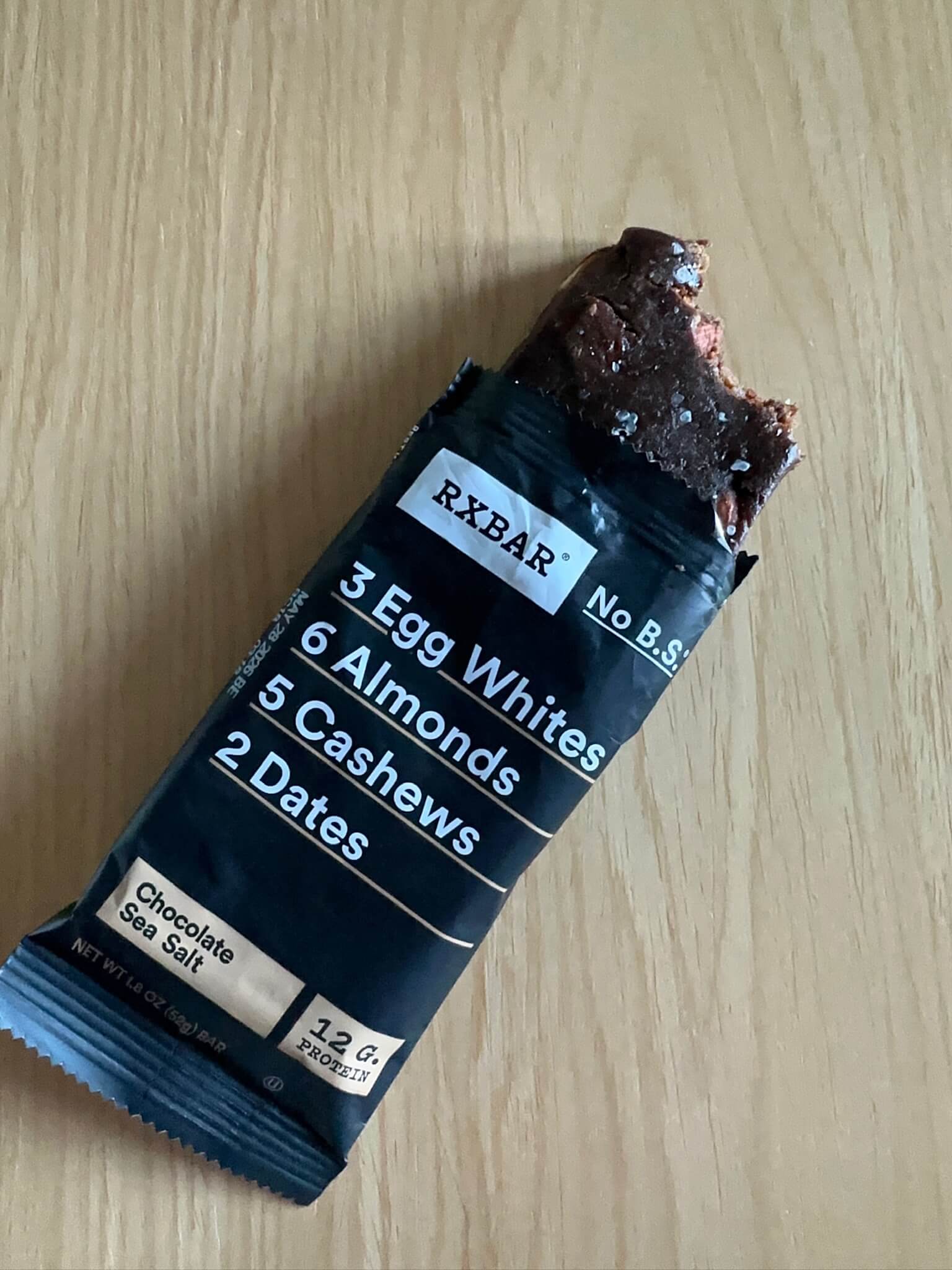
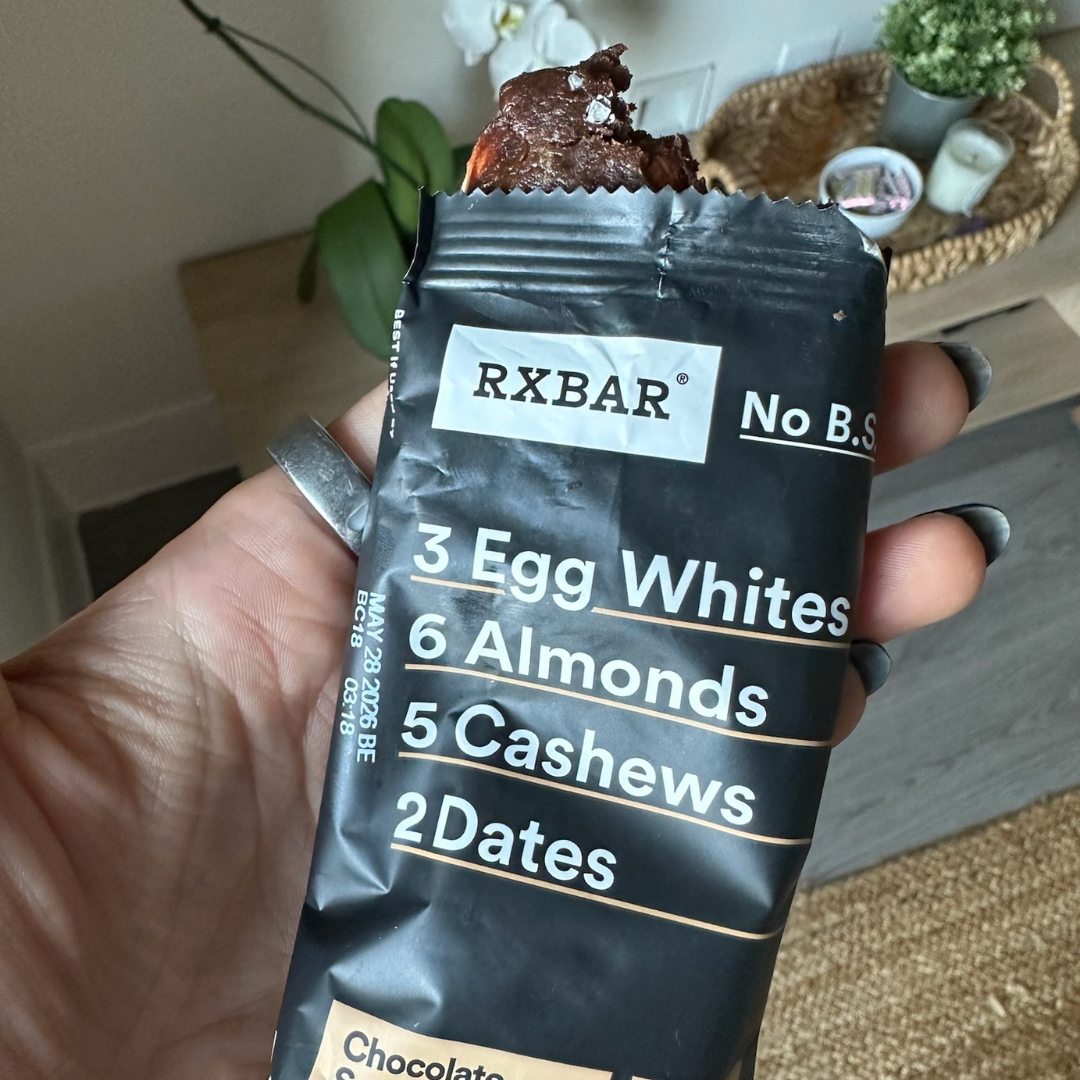
Made mostly from whole food ingredients.
Sea salt adds nice flavor.
Naturally sweet, with real dates.
Good protein source from egg whites.
Tastes great, probably my 2nd favorite.
Comes in a bunch of flavors.
No artificial sugars or after taste.
Cons
Bar sticks to your teeth A LOT.
Low protein profile at only 12g.
Contains vague "natural flavors" ingredient.
CHECK PRICE
😋 Flavors
13+
💪 Protein per Bar
12g
🧪 Third Party Tested
Unclear
⭐️ Texture
Very Chewy
#2
👍 What I love
Made from Mostly Whole Ingredients: This is RxBar's claim to fame. RXBAR keeps it simple — egg whites, nuts, dates, cocoa, and sea salt.
Tastes Great: Stickiness aside, each bite has layers — chocolate, nutty notes, and hints of salt. It feels like real food rather than a “protein snack.” Among the bars reviewed, RxBAR ranks high for taste authenticity.
Naturally Sweet: Sweetness comes entirely from dates, with no added sugars, sugar alcohols, or artificial sweeteners.
Lactose-Friendly: RxBar is also a great option for those wanting to avoid dairy!
👎 What could be better
Lower Protein Density: At 12 g protein for 200 kcal, the RXBAR is on the lighter end of the protein spectrum. You’d need nearly two bars to match the protein content of others like Equip or Jacob.
Sticks To Your Teeth A Lot: The chewy base makes it stick to your teeth which is pretty frustrating. I spent almost 20mins trying to get it out of my teeth.
Includes Vague "Natural Flavors": I was actually surprised by this because my perception of RxBars is of total transparency. The inclusion of “natural flavors” may mislead consumers who expect 100% whole foods.

Perfect Bar
4.2/5
.png)
.png)
.png)
4.3/5
Pros
Organic whole food ingredients.
No artificial sweetners or natural flavors.
No seed oils or hydrogenated oils.
High in healthy fats.
Gluten-free, and Non-GMO.
Great for peanut butter lovers.
Incude good egg white protein source.
Strong vitamin and mineral profile.
Cons
Only 15g of protein.
VERY peanut buttery, overwhelming.
Must be refrigerated. Not great for on the go.
A bit chalky for my taste.
Highest calorie bar at 330 per bar.
CHECK PRICE
😋 Flavors
12
💪 Protein per Bar
15g of protein
🧪 Third Party Tested
Unclear
⭐️ Texture
Dry Dough
#2
👍 What I love
Real, Whole Food Ingredients: This bar is made with organic peanut butter, honey, egg powder, and dried whole food powders. No mystery ingredients.
No Junk: No artificial sweeteners, no "natural flavors," no seed oils, no hydrogenated oils. For a bar you can find in most grocery stores, that's honestly impressive.
Solid Vitamin and Mineral Profile: Thanks to the 20+ dried superfoods, this bar delivers meaningful amounts of Vitamin E, Niacin, Magnesium, and Zinc.
Great for Peanut Butter Lovers: If you love peanut butter, this bar was made for you. The flavor is rich, nutty, and feels like a real food rather than a processed snack.
👎 What could be better
Only 15g of Protein at 330 Calories: This is my biggest issue with this bar. Using the "add a zero" trick (15g x 10 = 150 vs. 330 calories), the protein to calorie ratio just isn't there. You'd need to eat two bars to hit 30g of protein and at that point you're at 660 calories.
VERY Peanut Buttery: I know I just listed this as a pro for PB fans, but for me personally, it was a bit too much. The peanut butter flavor is so dominant that it overpowers everything else. I couldn't finish the bar.
Must Be Refrigerated: Perfect Bars need to stay cold, which means they're not the best option for tossing in your gym bag or keeping in your car. For a bar that's supposed to be convenient, that's a real limitation.
No Third-Party Testing: There's no indication that Perfect Bar tests for heavy metals or purity through a third party lab.
.png)
.png)
Barebells
4.0/5

4.0/5
.png)
Pros
Candy-bar like taste.
Crunchy shell with crisp interior.
20g of protein at 200 cals per bar.
Lots of flavor options.
Real-food ingredients, minimally processed
Great option for sweet cravings.
Available in stores like Trader Joes.
Cons
Highly processed ingredient profile.
Uses multiple artificial sweeteners.
Low fiber, limited gut benefits.
Slight artificial aftertaste.
Some may find overly sweet.
CHECK PRICE
😋 Flavors
14
💪 Protein per Bar
20g of protein
🧪 Third Party Tested
Unclear
⭐️ Texture
Crunchy
#2
👍 What I love
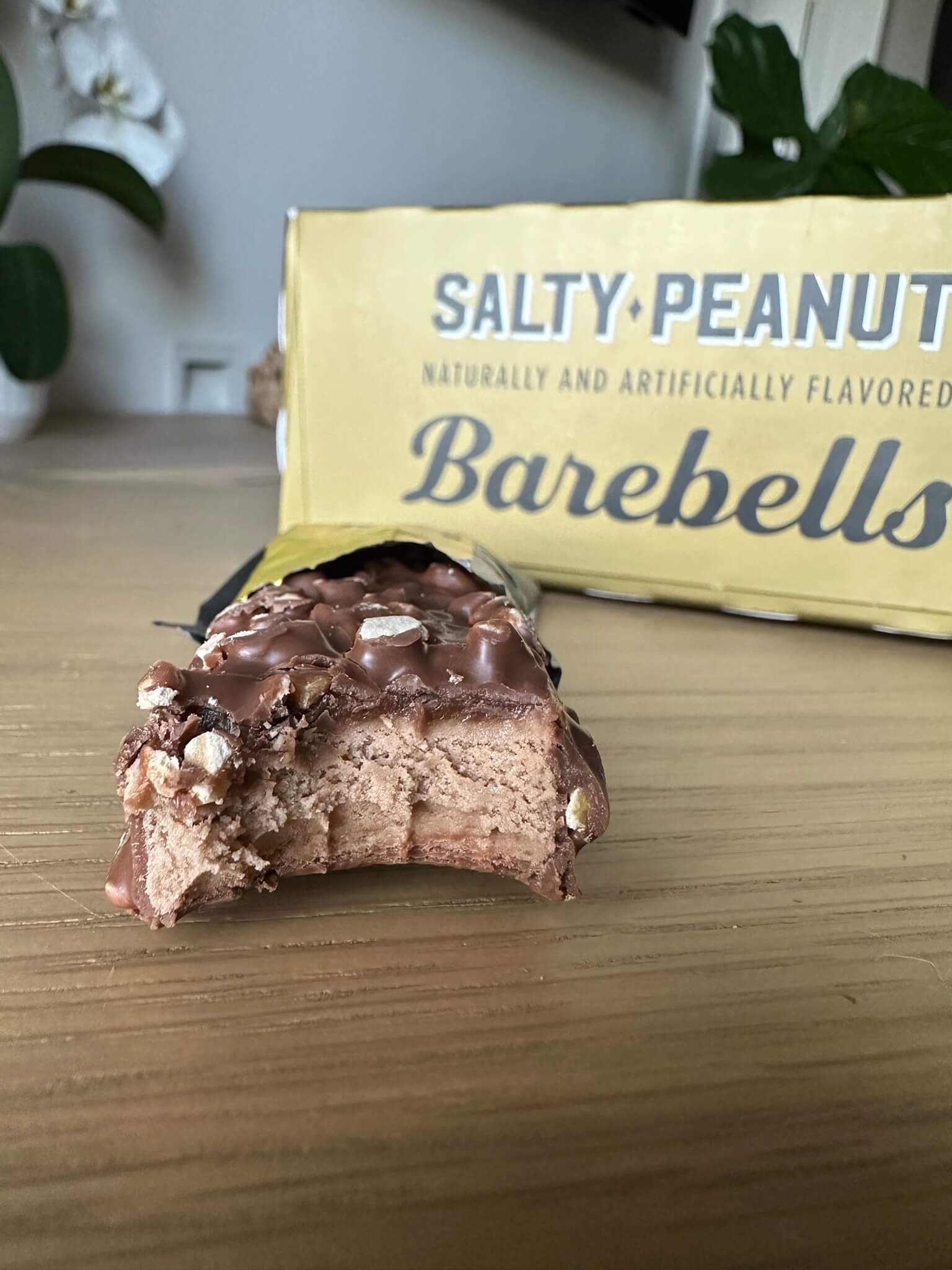
Tastes Like Candy Bar: Tastes like a high-protein version of a Snickers bar. It's got a chocolate coating similar to a candy bar with crunchy puffs that make it the most "candy" like bar I tried.
Great Texture and Crunch: I am a sucker for anything crunchy so was a big fan of the texture of the bar.
Solid Protein Content: At 20g of protein per bar, Barebells is similar to other high protien bars like Equip and Think! with a few less calories.
Lots of Flavor Options: Offers many flavors and is avaiable in supermarkets like Trader Joes.
👎 What could be better
Highly Processed Ingredients: Despite the great taste, there is a catch. Unfortunately, Barebells relies on artificial sweeteners (maltitol, sucralose, acesulfame K) and synthetic binders, making it one of the most processed options reviewed.
Artificial Sweeteners & GI Impact:These sugar alcohols can cause bloating or digestive discomfort and may negatively affect gut microbiome balance. It also results in a slightly artificial after taste.
Low Fiber Content:At just 3 g fiber per bar, satiety and gut benefits are limited compared to higher-fiber options like No Cow or Equip.
Artificial Flavor Profile: While tasty, the sweetness can feel exaggerated and slightly synthetic, leaving a faint aftertaste.
.png)
.png)
Rise
4.0/5
.png.png)
4.0/5
Pros
Minimal, clean ingredients.
No artificial sweeteners or alcohols.
Uses high-quality whey isolate.
Almonds provide natural healthy fats.
Real-food ingredients, minimally processed
Naturally sweetened with real honey.
Decent protein content at 15g.
Cons
Low protein for calories.
Too sweet, overpowering flavor.
Overly dense, chewy flavor.
Not safe for nut allergies.
Whey may cause digestion issues.
CHECK PRICE
😋 Flavors
6
💪 Protein per Bar
15g of protein
🧪 Third Party Tested
Unclear
⭐️ Texture
Chewy
#2
👍 What I love
High-Quality Protein Source: Uses whey protein isolate (not concentrate), which is easier on digestion and better absorbed.
Simple Ingredient List: Just almonds, honey, whey protein isolate, and carob powder. It’s one of the few bars with truly minimal ingredients, no artificial flavors, and no sugar alcohols.
Nut-Based Richness: The almonds add healthy fats, vitamin E, and a touch of crunch, making the bar feel more like real food than a processed snack.
👎 What could be better
Low Protein for Calories: At 270cal and 15 g protein, the protein-to-calorie ratio is weaker compared to other bars in this lineup.
Overly Sweet Flavor: The honey and carob make it taste more like candy than chocolate — a bit too sweet for some palates.
Very Chewy Texture: The bar is very dense and chewy, even with almonds mixed in which was surprising.
Not Safe For Those With Nut Allergies: Almond content may not be safe for those with nut allergies.
Whey May Cause Discomfort for Lactose Intolerant: While Rise uses whey isolate, some more sensitive groups may still experience discomfot.
.png)
.png)
Think! Bars
3.8/5

3.8/5
Pros
High protein for calories.
Good texture, not too chewy.
Crunchy, satisfying chocolate shell.
Widely available and affordable.
Gluten-free, low sugar formula.
Cons
Ultra-processed with artificial ingredients.
Contains sugar alcohols and sucralose.
Low fiber.
Artificial aftertaste.
Artificial aftertaste.
Doesn't taste like real cocoa.
CHECK PRICE
😋 Flavors
33
💪 Protein per Bar
20g of protein
🧪 Third Party Tested
Unclear
⭐️ Texture
Soft/Cakey
#2
👍 What I love
Strong Protein-to-Calorie Ratio: At 20g protein for 230 calories, Think! delivers a solid protein density — comparable to Barebells and Equip, and better than Rise or RXBAR in that respect.
Good Texture: Similar to Barbells, Think! has a chocolate coated outside making it feel a bit more candy bar like and has puffs in the bar that add a slight crunch.
Fudgey Chocolate Taste: The fudge brownie flavor stands out for having a rich chocolate falvor without being overly bitter or chalky. It did taste very brownie like!
👎 What could be better
Ultra-Processed Ingredient List: Uses maltitol syrup, glycerin, and artificial flavors — common among most protein bars, but a downside for ingredient-conscious buyers like my clients. I likely wouldn't recommend eating this every day.
Contains Sugar Alcohols: While they reduce sugar and calorie load, maltitol and similar compounds often cause bloating or gas in sensitive individuals.
Minimal Fiber Content:At only 2g, the bar lacks the fiber support that slows digestion and improves satiety compared to cleaner bars like Jacob (9g) or No Cow (14g).
Artificial Aftertaste: While the first few bites feel like you're eating a brownie, there is definitely an artificial aftertaste given the bar's ingredients.
.png)
.png)
Aloha
3.7/5
.png.png)
3.7/5
Pros
Vegan and plant-based certified.
Organic, Non-GMO ingredient list.
No sugar alcohols or additives.
Suitable for soy-free and dairy-free.
Highest fiber content.
Cons
Only 14g of protein per bar.
Carbohydrate content higher than ideal.
A bit dry in texture compared to others.
Not good for macro-focused athletes.
High calorie to protein ratio.
Protein source not as bioavailable.
Found them overly sweet.
CHECK PRICE
😋 Flavors
6
💪 Protein per Bar
15g of protein
🧪 Third Party Tested
Yes
⭐️ Texture
Dry/Chalky
#2
👍 What I love
Plant-based + clean ingredients: ALOHA bars use organic brown-rice and pumpkin-seed protein (plant-based), are vegan, soy-free, dairy-free, Non-GMO, and USDA Organic in many versions.
Good fiber and moderately sweetened: Many flavors deliver around 10 g fiber and ~14 g protein, with only ~5 g added sugar in some versions.
👎 What could be better
Lower protein relative to calories: At ~14 g protein for ~220–250 kcal, the protein-calorie ratio is modest compared to some bars aimed at higher protein.
Higher carb/sugar content than “high-protein” bars: Some flavors contain 20-25 g carbs, and though added sugar is moderate, the sweetener base (tapioca syrup, cane sugar) is still present.
Dry Texture: I found the Alohas to be a bit dry in texture and less satisfying than other bars like the Barebells or Equips. Flavor can become chalky and slightly artificial after the first bite.
Not ideal for macro-strict high-protein goals: If your primary goal is maximizing protein per calorie (e.g., ~20 g+ per 230 kcal), this bar does not meet that benchmark.
The sweetness profile: Though natural, may still feel overly processed due to cane sugar and syrup base.
.png)
.png)
Clif Builders
3.5/5
%20(1).png)
3.5/5
Pros
20g of protein per bar
No artificial sweeteners.
Cheapest option we tested.
Satisfying crunch from rice puffs.
Easy to find in grocery stores.
Cons
Made with processed soy protein isolate.
Contains "natural ingredients".
One of the most processed bars we tried.
Palm kernel oil adds a waxy outer coating.
Sweetened with cane syrup.
Low fiber content for bar size.
CHECK PRICE
😋 Flavors
8
💪 Protein per Bar
20g of protein
🧪 Third Party Tested
Unclear
⭐️ Texture
Crunchy/Chalky
#2
👍 What I love
Hits the 20g Protein Threshold: At 20g of plant-based protein per bar, Clif Builders does meet the minimum protein benchmark we look for.
Satisfying Crunch: Similar to the Barebells, I personally prefer a crunchy bar. The rice puffs in the Builders bar definitely give it a rice crispy like texture.
👎 What could be better
Soy Protein Isolate Is a Red Flag: The primary protein source is soy protein isolate, one of the most heavily processed protein options that has been stripped of fiber and nutrients.
Highly Processed Ingredient List: Between the cane syrup, tapioca syrup, palm kernel oil, and soy protein isolate, this bar reads more like a processed snack than a clean protein source.
Contains Vague Natural Flavors: Natural flavors is a catch-all term that can mask dozens of undisclosed chemical compounds.
Sweetened With Cane Syrup, Not Whole Foods: Unlike bars sweetened with dates or honey, cane syrup offers little nutritional value beyond sugar.
%20(1).png)
.png)
No Cow
3.3/5
3.3/5
Pros
High protein-to-calorie ratio.
Dairy free.
Suitable for vegans.
Free from artifical sweetners.
Cons
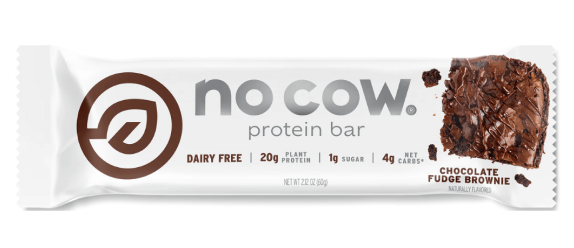
Worst bar we tasted. Basically inedible
Chalky, powdery texture.
Strong stevia aftertaste.
Super unappealing pale appearance.
Didn't taste like chocolate at all.
CHECK PRICE
😋 Flavors
10
💪 Protein per Bar
20g of protein
🧪 Third Party Tested
Yes
⭐️ Texture
Chalky/Crumbly
#2
👍 What I love
Vegan and Keto Friendly: Dairy free and keto friendly if you can stomach the taste!
Highest Fiber Content: No Cow has the highest fiber content of all the bars which supports healthy digestion.
👎 What could be better
Least Favorite By Far: While No Cow has a decently clean ingredient list, this was probably the worst bar I tried by far. It was basically inedible.
Strong Stevia Aftertaste: Not only was the texture really off with this bar, but the Stevia aftertaste was very strong.
.png)
%20(1).png)